Connected Cars, Hidden Cameras: How Insurers Are Using Your GPS Data to Quietly Rewrite Your Premium
When a major insurer offers you a discount for downloading an app or plugging a small device into your dashboard port, the pitch sounds straightforward: drive safely, share a little data, and pay less. What most policyholders do not realize is that the definition of "a little data" has expanded dramatically in recent years—and so has the insurer's ability to use that information against you at renewal time.
Across the United States, usage-based insurance (UBI) programs have grown from niche offerings into mainstream products. Approximately one in five American drivers now participates in some form of telematics-based policy, according to industry research. Yet consumer awareness of precisely what these programs capture—and how that data is applied—remains strikingly low. That gap between perception and reality is where premiums quietly climb.
What You Think You're Sharing vs. What's Actually Transmitted
Most enrollment disclosures describe data collection in general terms: mileage, speed, hard braking, and time of day. Those four categories sound manageable. In practice, however, modern telematics platforms capture far more granular detail.
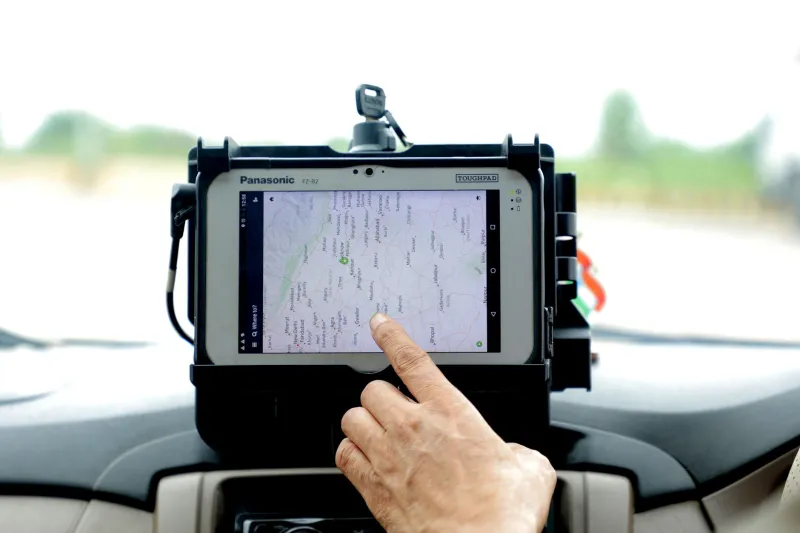
GPS-enabled apps and OBD-II dongles can log precise route histories, including which roads you travel and how frequently. They record acceleration curves, cornering behavior, and even phone interaction patterns while the vehicle is in motion. Some programs flag driving in high-traffic corridors or statistically riskier zip codes as negative behavioral signals—factors that have little to do with how carefully you operate the vehicle.
Connected vehicles add another layer entirely. Automakers including General Motors, Ford, and Stellantis have embedded telematics hardware directly into their vehicles. Several insurers have established data-sharing agreements with these manufacturers, meaning that even drivers who never downloaded an app or accepted a UBI program may be transmitting driving data to underwriters through their car's factory systems. A 2023 investigation by The New York Times found that some automakers had shared driving behavior records with insurers without adequately disclosing this practice to consumers—a revelation that prompted regulatory inquiries in multiple states.
How the Data Becomes a Rate Adjustment
The mechanics of how collected data influences premiums vary by insurer, but the general framework follows a consistent pattern. During an initial enrollment period—typically 90 days—your driving behavior is scored against actuarial benchmarks. A favorable score may produce a discount at the policy's first renewal. An unfavorable score, however, can result in a surcharge that exceeds whatever introductory discount you received.
The more consequential concern is what happens after that initial period. Many programs continue collecting data indefinitely, and insurers retain the right to incorporate ongoing behavioral signals into subsequent renewal calculations. A driver who earned a solid discount in year one may find that a period of elevated mileage—due to a job change, a family situation, or simply a busy season—quietly erodes that benefit by year two or three.
Because these adjustments are folded into the broader renewal quote rather than itemized as telematics surcharges, many policyholders never connect the rate increase to their driving data. They attribute the change to general market conditions or inflation and do not investigate further.
The Retroactive Recalculation Problem
Perhaps the most underappreciated risk in telematics-based insurance is retroactive premium adjustment. Certain programs—particularly those marketed as pay-per-mile policies—are structured so that your final premium is not determined until the policy term concludes. If your actual mileage exceeds the threshold established in your quote, the insurer calculates the difference and bills accordingly.
This structure is not inherently problematic, but it creates meaningful exposure when consumers underestimate their annual mileage. The average American drives approximately 14,300 miles per year, according to the Federal Highway Administration. Drivers who self-report lower mileage when obtaining a quote—whether intentionally or because they genuinely misjudged—may face end-of-term bills that eliminate any savings they anticipated.
Moreover, because GPS data provides precise mileage records, the insurer holds a significant informational advantage in any dispute. The consumer's recollection of their driving habits is unlikely to prevail against a timestamped log of every trip.
State-Level Protections and the Regulatory Landscape
Consumer protections governing telematics data collection vary considerably by state. California has enacted some of the most robust requirements, mandating clear disclosure of data collection practices and restricting certain uses of behavioral data in rate-setting. States such as Texas and Florida offer comparatively limited regulatory frameworks, leaving consumers in those markets with fewer formal protections.
The National Association of Insurance Commissioners (NAIC) has published model guidance on telematics transparency, but adoption remains inconsistent. Drivers in states without strong disclosure requirements may find it difficult to determine precisely what their insurer is collecting, how long data is retained, and whether it is shared with third parties.
If you are uncertain about your state's protections, your state's Department of Insurance maintains a consumer complaint and inquiry function that can clarify applicable rules.
Practical Steps to Protect Your Rate
Understanding the landscape is the first step; responding to it effectively is the second. The following measures can help you manage your exposure.
Request a full data disclosure before enrolling. Before joining any telematics program, ask your insurer to provide written documentation of every data point collected, the retention period, and any third-party sharing arrangements. Reputable insurers will supply this information; reluctance to do so is itself informative.
Read your vehicle's connected services agreement. If you drive a late-model vehicle with factory telematics, review the connected services terms in your owner's manual or the manufacturer's app. Many automakers allow you to disable or limit data sharing through account settings.
Compare quotes before and after telematics enrollment. When you shop for auto insurance quotes—particularly through a comparison platform—request both standard and telematics-based options side by side. The potential discount may not justify the ongoing data exposure, depending on your driving patterns.
Monitor your program's scoring dashboard. Most UBI apps provide a real-time score or feedback interface. Review it regularly rather than waiting for renewal. If your score is trending negatively, you have time to adjust your habits or reconsider participation before the rate impact materializes.
Negotiate at renewal. If your renewal quote reflects a telematics-related increase, contact your insurer directly and request a breakdown of how the adjustment was calculated. Armed with that information, you can compare it against quotes from competing carriers who may not penalize the same behaviors as heavily.
Comparing Quotes Remains Your Most Effective Lever
No single insurer prices telematics data identically. One carrier may heavily penalize late-night driving; another may weight hard-braking events more significantly. Because underwriting models differ, a driving profile that produces a surcharge with one company may generate a discount with another.
This variability underscores the importance of obtaining multiple quotes before committing to or renewing a policy. A comparison platform that aggregates quotes from multiple providers gives you visibility into how different insurers value your specific profile—including whether your GPS data history, if accessible, works in your favor with an alternative carrier.
The data your insurer holds about your driving habits is extensive and growing. The most effective counterbalance available to consumers is information: understanding what is being collected, how it is being used, and what alternatives exist. Shopping your coverage regularly—ideally at every renewal cycle—ensures that the quote you accept reflects genuine market competition rather than a single insurer's proprietary interpretation of your GPS log.