How Insurers Price Winter Risk Into Your Premium Before the First Snowflake Falls
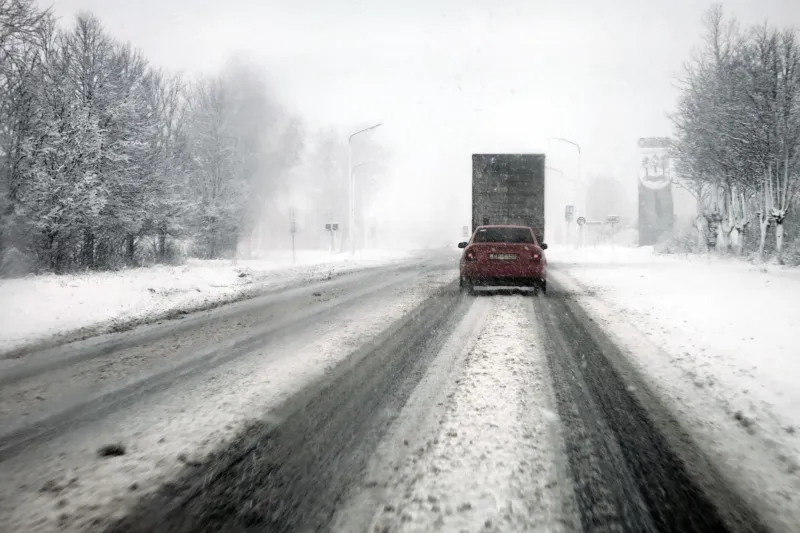
Most drivers assume their auto insurance premium is a relatively stable figure—one that shifts modestly at renewal and responds primarily to personal events like accidents or new vehicles. What many do not realize is that insurance companies operate on a seasonal rhythm, one calibrated to historical claims data, regional weather modeling, and actuarial projections that begin months before winter arrives. By the time temperatures drop and road conditions deteriorate, insurers have already adjusted their risk calculations. The question is whether you adjusted yours first.
The Months That Drive the Most Claims
Federal highway safety data and industry loss reports consistently identify a cluster of months—primarily November through February—as the period when collision and comprehensive claims spike sharply across the United States. The causes are familiar: black ice, reduced daylight hours, freezing rain, and the compounding effect of drivers who have not adapted their habits to deteriorating road surfaces.
But the timing of premium increases does not always align neatly with the season itself. Many insurers begin factoring elevated seasonal risk into renewal quotes issued in September and October, well ahead of the first significant weather events. This front-loading is deliberate. Insurers are not simply reacting to claims as they happen—they are pricing anticipated risk into the policy before it materializes.
For drivers whose renewal date falls in late summer or early fall, this means receiving a quote that already reflects winter risk factors, even if the policy term spans months when conditions are relatively benign.
Regional Variance: Where Premiums Spike Most Dramatically
Not all states experience the same seasonal pressure on insurance rates, and the differences between regions can be substantial. Drivers in the Upper Midwest—Minnesota, Wisconsin, Michigan, and the Dakotas—face some of the most pronounced seasonal volatility. These states combine high snowfall totals with significant rural road exposure, limited infrastructure for rapid treatment of icy surfaces, and long winters that extend the high-risk window well into March and sometimes April.
The Great Lakes region presents a specific challenge: lake-effect snow events are localized, intense, and difficult to predict with precision. Insurers operating in these markets have historically experienced higher-than-average comprehensive and collision loss ratios during winter quarters, and those losses are reflected in the rate structures applied to policyholders across entire rating territories—not just those who live in the most affected corridors.
The Mountain West—Colorado, Utah, Wyoming, and Montana—adds elevation as a complicating variable. Higher-altitude areas experience longer freeze periods, greater likelihood of avalanche-related road closures, and more frequent multi-vehicle incidents on mountain passes. Insurers rate these geographies accordingly.
Even states not typically associated with severe winters, such as Tennessee, Arkansas, and North Carolina, have seen notable claims surges during years with atypical ice storms. A single significant weather event in a region with limited winter driving infrastructure can generate a disproportionate volume of claims, influencing future rate filings in those territories.
The Data Models Behind the Numbers
Modern insurance pricing is not a simple formula. Large carriers maintain actuarial teams that continuously refine predictive models drawing on multiple data streams: National Weather Service historical records, claims frequency data segmented by ZIP code and policy type, traffic incident reports from state transportation departments, and increasingly, telematics data gathered from connected vehicles.
These models identify not just where winter claims are most likely to occur, but when within a season they tend to cluster. Early-season incidents—those occurring in November and early December—often involve drivers who have not yet adjusted their behavior to changed conditions. A driver who navigated summer roads confidently may underestimate stopping distances on a light frost or misjudge the traction available on a wet bridge deck. Insurers know this pattern well, and it is priced into the front end of the winter season.
Mid-season claims, concentrated in January and February, tend to involve prolonged exposure to severe conditions: multi-day ice events, heavy snowfall accumulation, and the cumulative fatigue that affects infrastructure maintenance in regions with sustained cold. Late-season claims in March and early April frequently involve flooding and the particular hazard of refreezing following daytime thaws.
Each of these patterns is modeled separately, and the resulting risk scores are applied to geographic territories and driver profiles in ways that most consumers never see directly.
What Consumers Can Do Before the Season Shifts
The most actionable window for drivers seeking competitive auto insurance quotes is the period from late July through September—before insurers begin front-loading winter risk into fall renewal quotes. Comparing quotes during this period allows consumers to evaluate rates that are not yet carrying the full seasonal adjustment.
Compare quotes across multiple carriers simultaneously. Different insurers weight seasonal risk differently based on their own claims histories and geographic footprint. A carrier with limited exposure in your region may offer a more competitive rate than one that has absorbed significant winter losses there in recent years. Using a comparison platform that aggregates quotes from multiple providers gives you visibility into this variance rather than relying on a single insurer's pricing.
Review your coverage structure before winter, not after. Comprehensive coverage, which addresses non-collision events including weather-related damage, is often underweighted by drivers who focus primarily on liability and collision. Hail, flooding from snowmelt, and falling ice or tree limbs are covered under comprehensive—but only if you have it. Reviewing your declarations page before the season begins is a straightforward way to ensure your coverage matches your actual exposure.
Consider your deductible in the context of seasonal risk. A higher deductible lowers your premium, but it also means absorbing more out-of-pocket cost if a winter claim materializes. Drivers in high-risk regions may find that modestly reducing their deductible in advance of winter represents a reasonable trade-off. Running the numbers through a quote comparison before making changes gives you a clear picture of the cost difference.
Ask specifically about seasonal or regional discounts. Some insurers offer rate adjustments for vehicles equipped with winter tires, drivers who complete defensive driving courses, or policyholders who can demonstrate low annual mileage during winter months. These discounts are not always prominently advertised, and the comparison process is an appropriate moment to ask.
The Broader Principle: Timing Your Quote Is as Important as Running It
The insurance market is not static. Rates respond to claims trends, regulatory filings, reinsurance costs, and—as this article has outlined—the predictable rhythm of seasonal risk. Consumers who treat the quote process as a one-time event at renewal miss the opportunity to engage with the market at the moment most favorable to them.
At List of Car Quotes, the core premise is straightforward: comparing multiple quotes simultaneously gives you information that a single carrier relationship cannot. When that comparison happens at the right time in the calendar—before seasonal adjustments are baked into the numbers—the advantage is compounded.
Winter will arrive on schedule. The question is whether your insurance quote reflects a market you engaged with strategically, or one that priced its assumptions into your policy before you had the chance to respond.